
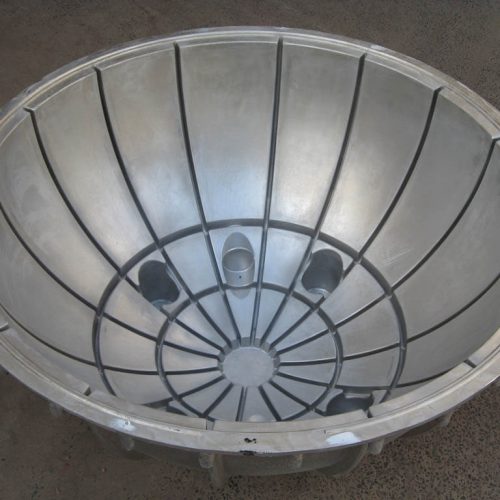
TP Castings manufactures Custom Aluminium Castings across Australia, helping buyers define NDT scope for clearer pricing, inspection and documentation.
When buyers request custom aluminium castings, vague inspection wording can create unnecessary quoting delays. At TP Castings, we work with customers to clarify drawings, material requirements, inspection expectations and supporting documentation before production, so the scope is easier to price and plan.
Define NDT Requirements Before the Quote Is Finalised
“Non-destructive testing required” is not a complete inspection specification. NDT covers several techniques used to assess materials or components without damaging them, and the correct method depends on what the part must do and what the project specification requires.
The Australian Institute for Non-Destructive Testing explains that NDT includes methods used to evaluate material integrity and quality without damaging the item being inspected. For a casting project, buyers should therefore state the required method rather than leave the foundry to assume what level of inspection is expected.
Before requesting pricing, confirm:
- Test method: State the nominated NDT method if it has already been specified by the engineer, customer or project standard.
- Inspection area: Identify whether testing applies to the whole casting or only critical zones, machined faces, sealing areas or other nominated features.
- Inspection frequency: Clarify whether the requirement applies to a first article, a sample from each batch or every casting.
- Testing stage: State whether inspection is required in the as-cast condition, after heat treatment, after machining or at another agreed stage.
- Acceptance criteria: Include the applicable drawing note, specification, standard or customer-defined acceptance level.
- Reporting: Confirm whether inspection records, certificates or third-party reports must accompany the finished castings.
These details give us a clearer basis for reviewing manufacturability, inspection scope and quotation requirements.
Avoid Cost Changes Caused by Vague Inspection Notes
Unclear NDT wording can change the commercial scope after a quote has already been issued. Testing one critical area is different from inspecting every casting, and a simple inspection record is different from a formal third-party report.
If requirements are introduced after casting, machining or finishing has begun, the project may need additional handling, transport, testing or rework. That can affect price and lead time.
For this reason, buyers should include NDT requirements with the original drawing package wherever possible. Our casting and finishing services include non-ferrous casting, precision machining, finishing, heat treatment, quality control and inspection, allowing us to review the broader production requirements alongside the requested inspection scope.
Build a Complete Aluminium Casting RFQ
A strong request for quotation should give us enough information to understand both the component and its acceptance requirements. For custom aluminium castings, include the current drawing revision, required alloy, quantity, expected application, critical dimensions, machining requirements, finish requirements and delivery timing. Where NDT applies, add the nominated method, coverage, frequency, testing stage and acceptance criteria.
It is also useful to identify any requirements for heat treatment, certificates, independent inspection, packaging or customer approval before repairs or concessions are accepted. Buyers working on larger components can also review our large-scale aluminium castings capability, including aluminium castings up to 800 kg. Providing the full technical package at the start helps us determine whether the proposed casting and inspection requirements can be accommodated before production planning begins.
Request a Quote with the Inspection Scope Attached
TP Castings manufactures aluminium and bronze castings for customers across Australia, including general engineering applications and custom single-piece or production requirements.
Adding inspection or NDT requirements late can change the manufacturing scope and create avoidable complications. Provide them with your initial drawing and specification package, then request a quote from TP Castings so the requirements can be reviewed before pricing and production planning.