
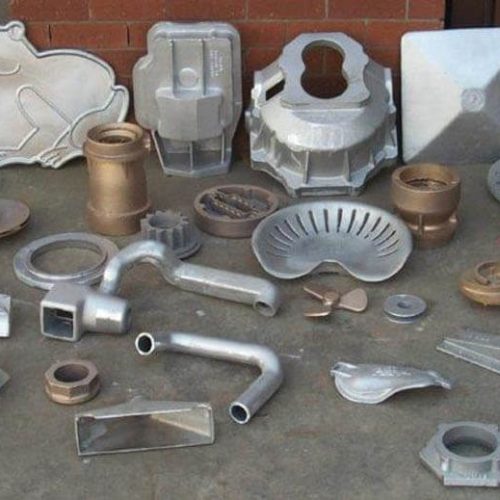
TP Castings provides general engineering castings across Australia for custom parts, one-off components and production runs in aluminium and bronze.
General engineering castings provide a manufacturing pathway for non-standard aluminium or bronze components when a suitable ready-made part is unavailable. We assess the geometry, alloy specification, pattern requirements, quantity, finishing and inspection needs before confirming an appropriate casting process.
What Project Details Do General Engineering Castings Require?
A useful casting enquiry defines what must be produced and how the finished component will be used. A concept without dimensions, material requirements or acceptance criteria is not enough for an accurate proposal.
Before requesting a quote, provide the available project information:
- Part drawings: Include dimensions, tolerances, wall sections, hole locations and reference surfaces.
- Alloy specification: Nominate the required aluminium or bronze grade where the design specifies one.
- Quantity: State whether you require a single application, small batch, production run or recurring supply.
- Pattern status: Confirm whether a usable pattern exists or new pattern making is required.
- Machining requirements: Identify bores, threads, mating faces and other areas needing secondary machining.
- Finish and treatment: List required blasting, polishing, powder coating or aluminium heat treatment.
- Inspection criteria: Provide applicable standards, test requirements and documentation.
- Delivery requirements: Include the required date and whether it relates to production or maintenance work.
Our casting services and capabilities include pattern making using wood, plastic, metal and fibreglass patterns. We also offer machining, polishing, powder coating, finishing, quality control and inspection.
When Is Casting Practical for a Custom Part?
Casting may be worth assessing when a component has curves, ribs, bosses, thicker sections or integrated features that would be inefficient to fabricate from separate pieces. It may also suit a repeat part where an approved pattern supports consistent mould production.
That does not make casting automatically better than machining or fabrication. The practical method depends on geometry, alloy, tolerances, surface finish, quantity, tooling cost and delivery requirements. Critical surfaces may still need machining after casting, while some simple parts may be more economical to manufacture another way.
Material selection also requires engineering criteria. Aluminium and bronze are broad material groups, not interchangeable specifications. The customer should identify the required mechanical, corrosion, wear, thermal and compliance characteristics so the proposed alloy can be assessed against the application.
Planning Single Parts and Production Runs
TP Castings’ manufacturing capabilities include aluminium castings up to 800 kg and bronze castings up to 200 kg. Our facility also has a stated daily production capacity of two tonnes, supporting small batches and larger-volume requirements. These figures describe manufacturing capability, not automatic acceptance of every component within those weights.
For a single part, pattern development and setup can represent a significant part of the project. For production runs, we need to review the expected quantity, repeat schedule, pattern material, moulding method, machining and inspection requirements. Confirming these details early supports a more useful quotation and production plan.
Standards Australia’s manufacturing overview notes that standards help streamline processes and support product and service safety and reliability. Any standard or specification applying to the finished component should be identified in the enquiry rather than assumed by the foundry.
Find the Right Production Pathway for Your Casting
We manufacture general engineering castings at our Dandenong facility and service clients Australia-wide. Our capabilities cover custom single pieces and production requirements, subject to reviewing the design, alloy, pattern and finishing scope.
Send us your drawings, specifications, quantity, required services and delivery expectations. Request a casting quote so we can review manufacturability, identify missing information and discuss the right production pathway for your custom part.