
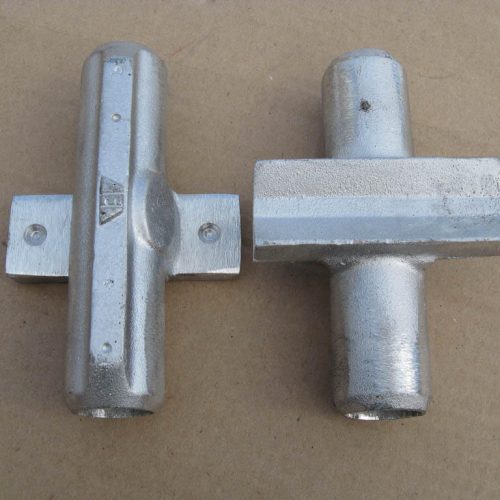
TP Castings offers aluminium heat treatment for castings, achieving T6 strength with controlled processes that ensure dimensional stability and reliability.
In modern manufacturing, aluminium heat treatment for castings plays a critical role in enhancing performance, particularly when targeting T6 mechanical properties. However, achieving maximum strength is not without challenges, as the same processes that increase hardness can also introduce distortion. For Australian foundries and engineers, the real goal is balancing T6 strength with reliable dimensional stability.
The Key Stages That Drive T6 Strength
T6 heat treatment is a carefully controlled process designed to maximise the mechanical properties of aluminium casting alloys such as LM25 and A356. It involves three primary stages, each contributing to the final strength and overall performance of the component. Consistency across these stages is critical, as even minor variations in temperature, time, or quench conditions can impact both mechanical performance and dimensional accuracy.
- Solution Heat Treatment – The casting is heated to a high temperature to dissolve alloying elements into a solid solution. This stage prepares the material for effective strengthening during ageing.
- Quenching – Rapid cooling, typically in water, locks the dissolved elements in place. This is the most critical step, as it directly influences the final strength and can also introduce internal stresses.
- Artificial Ageing – The casting is reheated at a lower temperature to allow fine precipitates to form. These particles strengthen the material and deliver the desired T6 properties.
The Real Challenge Behind Dimensional Stability
While T6 delivers excellent strength, it can also introduce distortion due to rapid quenching and the development of residual stresses. Components with complex geometries or varying wall thicknesses are especially prone to movement during cooling. In many cases, more aggressive quenching increases the risk of dimensional change.
Dimensional stability is influenced by several factors beyond the heat treatment process itself. Casting quality, including porosity and structural uniformity, plays a critical role, as lower-quality castings are more likely to warp. Additionally, machining after heat treatment can release internal stresses, making a holistic approach to design, casting, and processing essential.
Getting the Best Results: From Casting Quality to Heat Treatment
Delivering reliable T6 results begins well before the heat treatment stage. High-quality casting practices, including proper gating, controlled solidification, and minimising gas entrapment, ensure the material responds effectively to thermal processing. Without this foundation, achieving consistent performance becomes significantly more difficult.
Alloy selection also plays a key role, with A356 and LM25 widely used in Australia for their strong response to T6 processes and balanced properties. To achieve optimal results, foundries must combine this with controlled quenching, appropriate fixturing, and precise temperature management to reduce distortion. Success in aluminium heat treatment for castings ultimately relies on integrating casting quality with disciplined heat treatment practices.
Reliable Aluminium Heat Treatment for Castings by TP Castings
At TP Castings, achieving T6 strength is only part of the equation. Our approach to aluminium heat treatment for castings focuses on delivering both mechanical performance and dimensional reliability to meet strict engineering requirements. By combining high-quality casting with controlled heat treatment processes, we ensure consistent and dependable results for every project.
Contact us to explore the right casting solution for your application. We’ll help you achieve consistent results with precision and confidence.